The Ultimate Guide to Choosing the Perfect Fabric for Your Custom Suit
Why Custom Tuxedo Fabric Selection Makes or Breaks Your Tuxedo
Custom tuxedo fabric selection is the single most important decision you'll make when ordering a bespoke tuxedo. Get it right, and you'll have a garment that fits perfectly, looks sharp, and lasts for years. Get it wrong, and even the best tailor can't save you.
Here's a quick answer to help you choose:
| Fabric | Best For | Season | Formality |
|---|---|---|---|
| Wool (Super 120s+) | Weddings, black-tie, year-round | All seasons | High |
| Velvet | Evening events, winter galas | Fall/Winter | Very high |
| Silk or silk-wool blend | Black-tie, red carpet | Spring/Summer | Very high |
| Linen | Outdoor/beach weddings | Summer | Moderate |
| Mohair blend | Evening wear, high sheen look | All seasons | High |
The short version:
- For most formal events, wool is your safest and most versatile choice
- For bold evening looks, velvet or mohair adds drama and texture
- For warm weather, lightweight wool or linen blends keep you comfortable
- Always match fabric weight to the season and venue
The fabric you choose affects everything — how the tuxedo drapes on your body, how it breathes during a long wedding reception, and how it holds its shape over time. It also signals formality. A matte barathea wool reads differently than a high-sheen silk blend, even in the same cut.
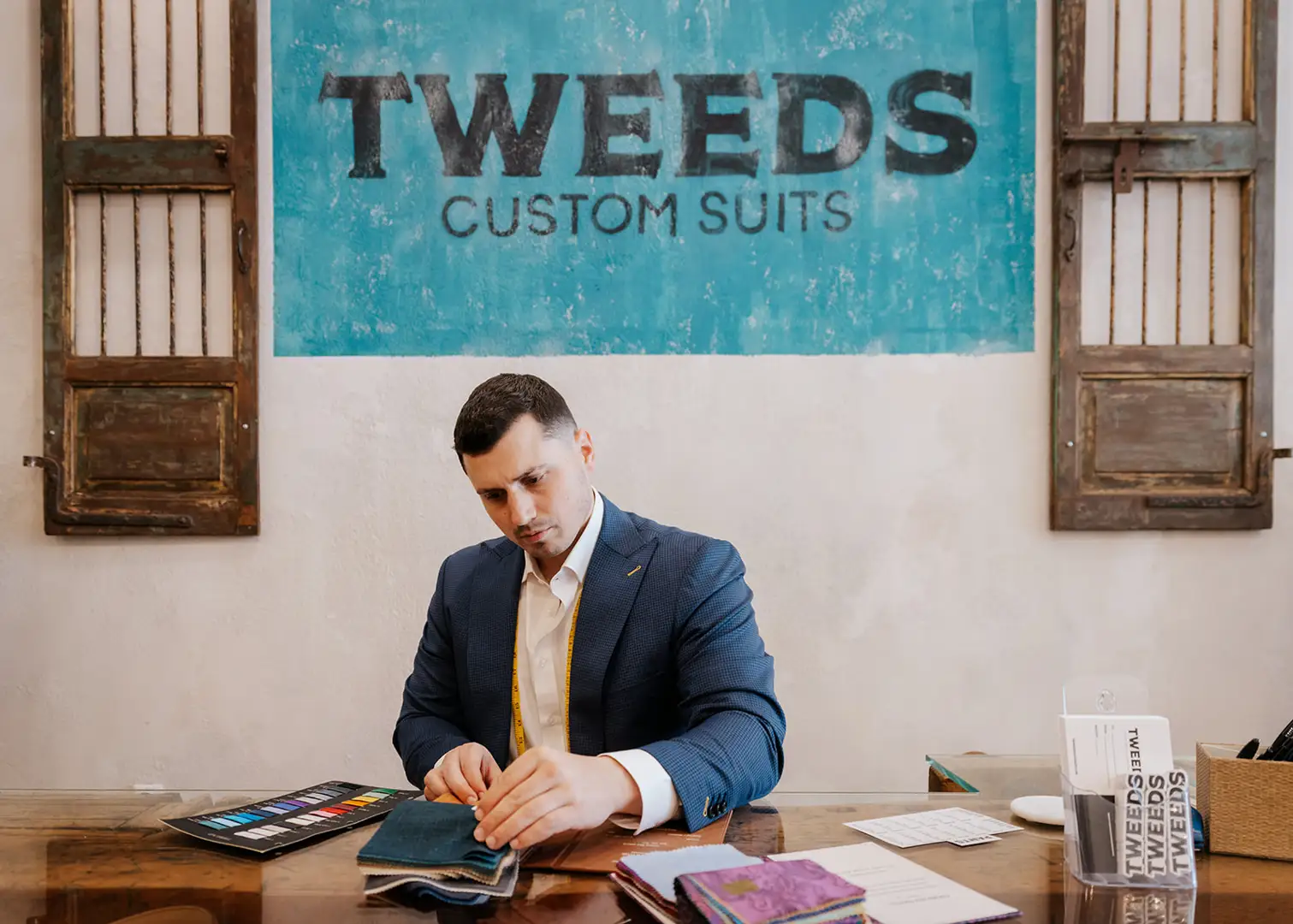
I'm Donald Carlson, founder of Tweeds Custom Suits, and I grew up surrounded by fine garments through my family's dry-cleaning business before spending decades helping men master custom tuxedo fabric selection for every occasion. In the guide below, I'll walk you through everything you need to know — from fabric weight and weave to mill sourcing and lining choices — so you can make a decision with confidence.
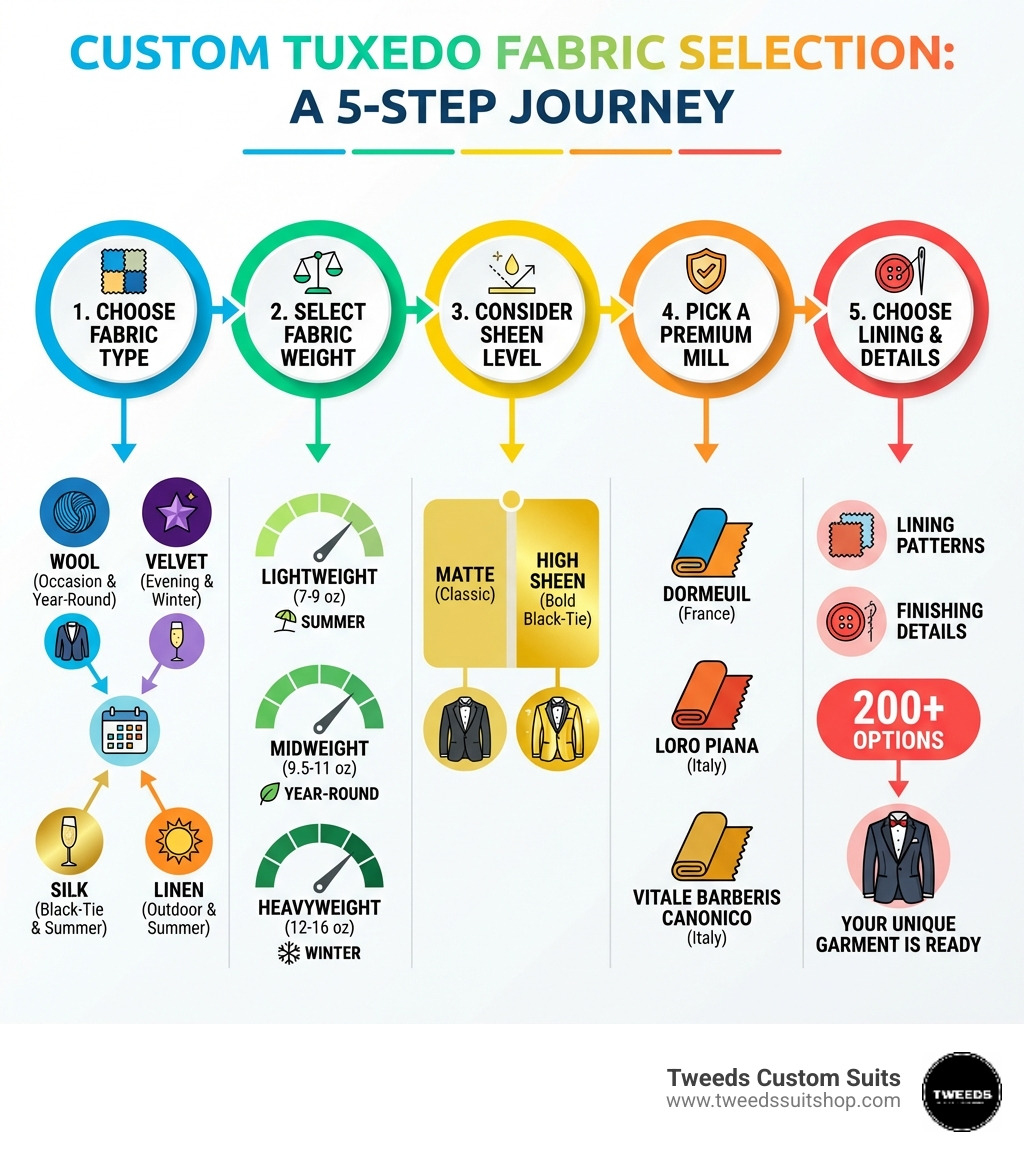
Understanding Custom Tuxedo Fabric Selection
When you step into one of our showrooms in Florida or Georgia, the first thing you'll notice is the sheer volume of options. We offer over 2,500 fabric choices, and while that might seem overwhelming, it’s the key to creating a garment that is uniquely yours. Custom tuxedo fabric selection is about more than just picking a color; it’s about understanding how the material interacts with your body and the environment.
The "drape" of a fabric refers to how it hangs on your frame. A high-quality natural fiber like wool has a natural elasticity that allows it to conform to your silhouette while maintaining a crisp line. Synthetic blends, while sometimes offering stretch, often lack the breathability and long-term durability of natural fibers. For those planning a wedding tuxedo, breathability is paramount—especially for our clients in Miami or Tampa. You want a fabric that resists wrinkles during the ceremony but won't leave you overheating during the first dance.
How Weight Impacts Your Custom Tuxedo Fabric Selection
In tailoring, fabric weight is measured in ounces (oz) per linear yard. This measurement is the best indicator of how warm the garment will be and how it will hang.
- Lightweight (7–9 oz): These are the "tropical" fabrics. They are ideal for summer weddings in Palm Beach or outdoor events in Savannah. They are highly breathable but can be more prone to wrinkling because the fibers are thinner.
- Midweight (9.5–11 oz): This is the "sweet spot" for most of our clients. A midweight wool provides enough structure to create a sharp silhouette while remaining comfortable for year-round wear in most climates.
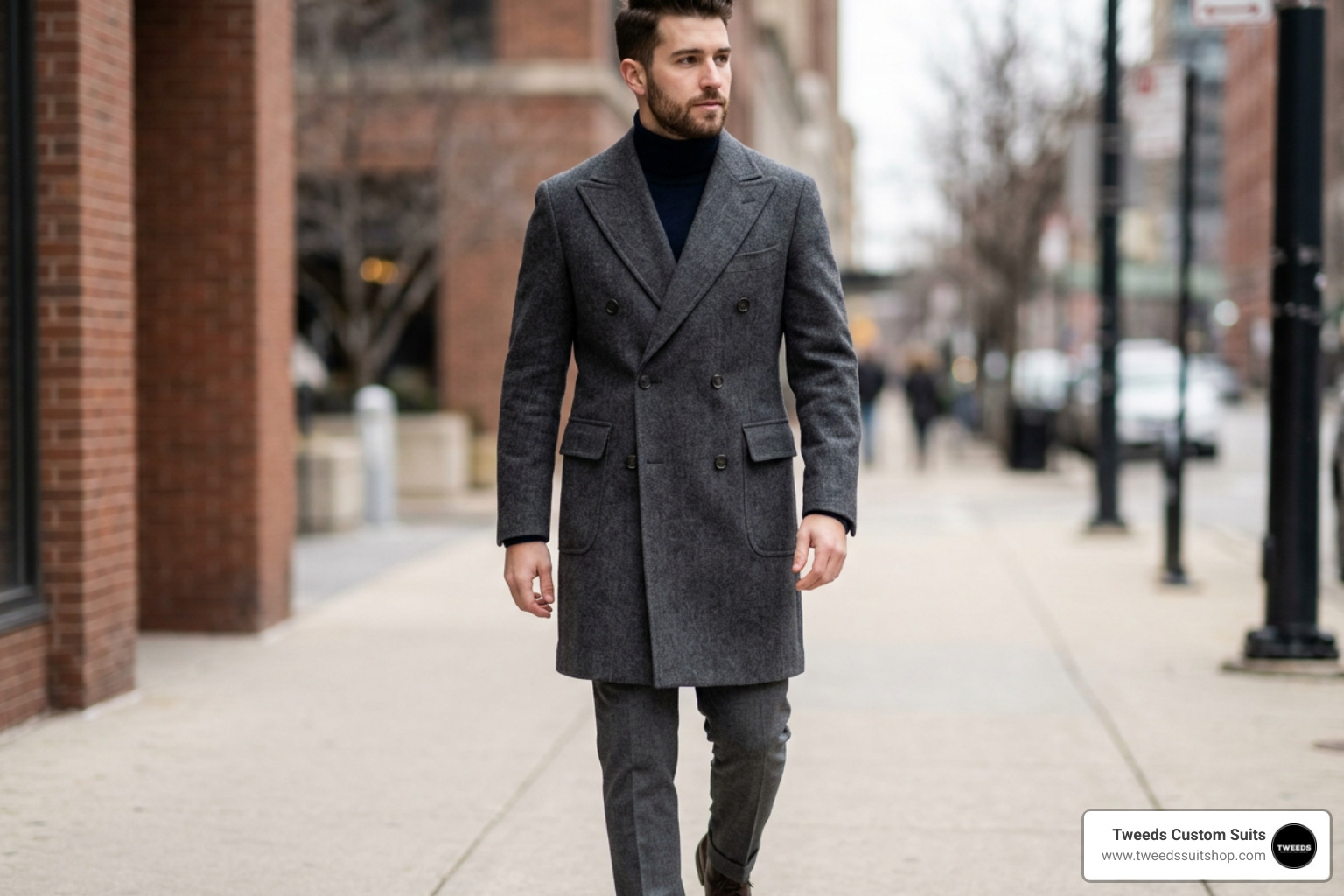
- Heavyweight (12–16 oz): These fabrics are reserved for cooler climates or winter events. They offer incredible drape and are naturally wrinkle-resistant because the weight of the cloth pulls itself straight.
Understanding these weights helps you align your budget with your needs. You can learn more about our pricing to see how different fabric tiers fit into your custom garment journey.
Formality and Sheen in Custom Tuxedo Fabric Selection
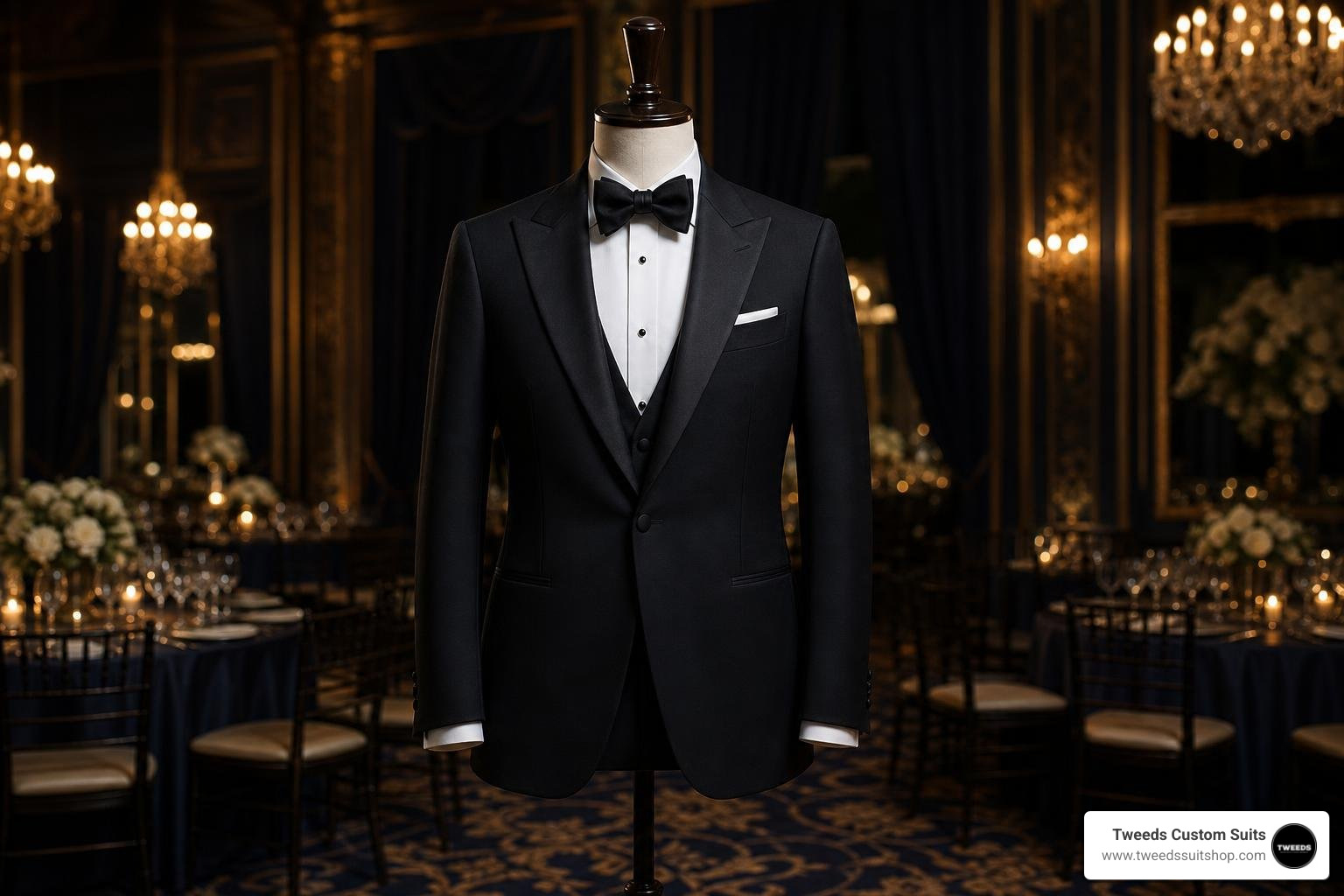
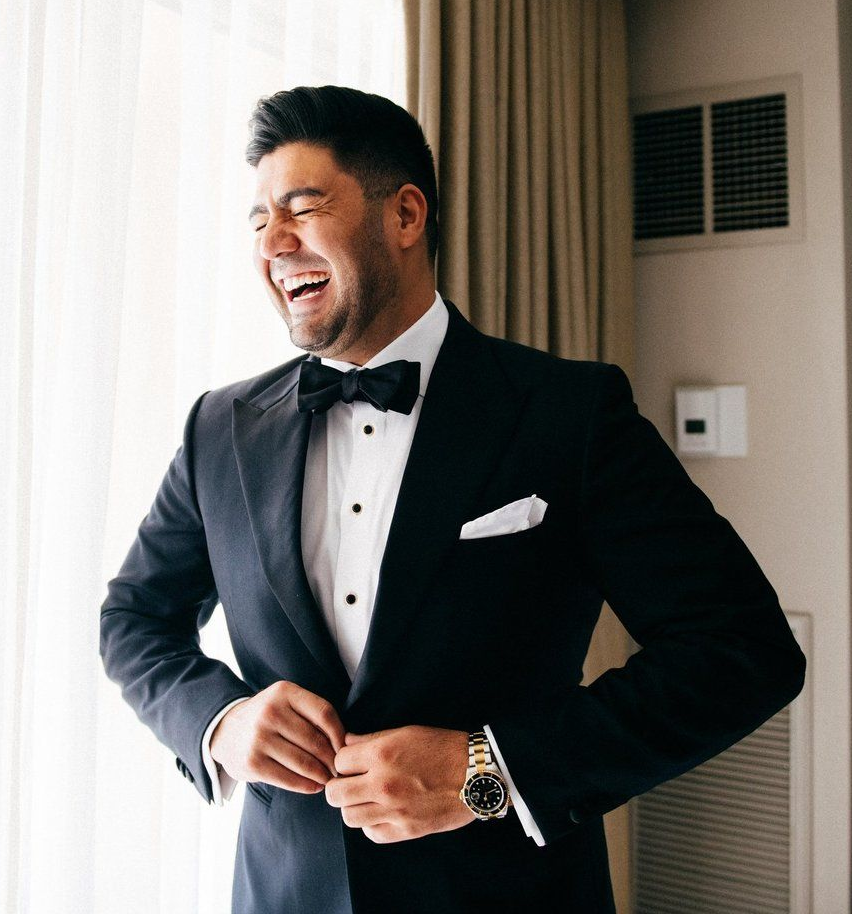
The level of "sheen" or luster on your fabric determines how formal the tuxedo appears. A classic black-tie tuxedo often utilizes a matte finish for the main body of the jacket, allowing the satin or grosgrain facings on the lapels to provide the necessary contrast.
High-sheen fabrics, such as those blended with silk or mohair, catch the light beautifully in evening settings, making them a favorite for galas and red-carpet events. If you are attending a strictly traditional event, a matte barathea wool is the gold standard. However, for modern weddings, many grooms are opting for a subtle sheen to distinguish themselves from the guests.
Comparing the Best Materials: Wool, Velvet, and Silk
Choosing the right material is a balance of aesthetics and performance. At Tweeds, we guide you through the pros and cons of each.
| Material | Pros | Cons | Best Use Case |
|---|---|---|---|
| Wool (Super 120s) | Durable, breathable, excellent drape | Standard choice (less "unique") | Business formal, Weddings |
| Velvet | Rich texture, very warm, bold | Can be heavy, attracts lint | Winter Galas, Holiday parties |
| Silk Blends | High luster, lightweight, luxurious | More delicate, higher price point | Red Carpet, Summer Black-Tie |
| Linen Blends | Maximum breathability, relaxed | Wrinkles easily, less formal | Beach or Destination Weddings |
Wool remains the king of custom tuxedo fabric selection . Specifically, "Super" numbers (like Super 120s or 150s) indicate the fineness of the wool fibers. The higher the number, the softer and more luxurious the feel, though extremely high numbers can become more delicate.
Velvet has seen a massive resurgence in our Florida showrooms. It provides a plush, tactile experience that screams luxury. If you're looking for a "dinner jacket" style to pair with black wool trousers, velvet is an unbeatable choice. To learn more about our commitment to quality materials, read our about page.
Premium Fabric Mills and Sourcing
The quality of a tuxedo is often dictated by the mill that produced the cloth. We partner with the world's most prestigious mills to ensure our clients have access to the finest materials on earth.
- Vitale Barberis Canonico: An Italian powerhouse with a history dating back to 1663. They are known for incredible consistency and depth of color.
- Dormeuil: A French brand that sources the rarest fibers to create fabrics that are both innovative and traditional.
- Loro Piana: The ultimate name in luxury wool and cashmere, focusing on ultra-fine fibers that feel like a second skin.
- Scabal: Based in England, Scabal is famous for its "Diamond Chip" and gold-infused fabrics for those who want the absolute peak of opulence.
These mills focus on "yarn twist" and ethical sourcing. A high yarn twist means the fabric will spring back into shape after being folded, which is essential for a tuxedo that needs to look fresh after hours of wear.
Technical Specifications: Weave, Structure, and Fit
The way a fabric is woven changes its physical properties. For tuxedos, the Barathea weave is the most traditional. It has a slightly pebbled texture that is incredibly matte, making it the perfect backdrop for silk lapels. Twill patterns , on the other hand, have a diagonal ribbing that adds a bit of visual interest and durability.
But the fabric is only half the story. The internal structure—the "canvas"—is what gives the tuxedo its shape. We use horsehair and linen canvas that is hand-basted into the jacket. This allows the fabric to "breathe" and mold to your chest over time. Unlike cheap, fused (glued) jackets, a canvassed tuxedo will never look stiff or boxy. To experience this level of craftsmanship firsthand, you can book an appointment for a fitting at any of our locations.
Selecting Fabrics for Special Features
Your fabric choice should complement your chosen style.
- Peak Lapels: These require a fabric with enough body to hold a sharp, upward-pointing edge.
- Shawl Collars: Softer, more rounded collars work beautifully with velvet or silk-wool blends that emphasize the continuous curve.
- Double-Breasted Styles: Because there is more overlapping fabric, we usually recommend a slightly lighter weight (9-10 oz) to avoid looking bulky.
We also consider your skin tone. Cooler skin tones often look best in midnight navy or true black, while warmer skin tones can pull off deep burgundy or bottle green velvet with ease.
Customization Details: Linings and Finishing Touches
Once you've nailed down the exterior custom tuxedo fabric selection , it's time to have some fun with the interior. We offer over 200 lining choices, ranging from understated solid-colored Bembergs to bold, custom-printed jacquards.
Bemberg silk is our preferred lining material because it is a natural-based fiber that is more breathable than polyester and more durable than pure silk. It wicks moisture away from the body, which is a lifesaver during a crowded event.
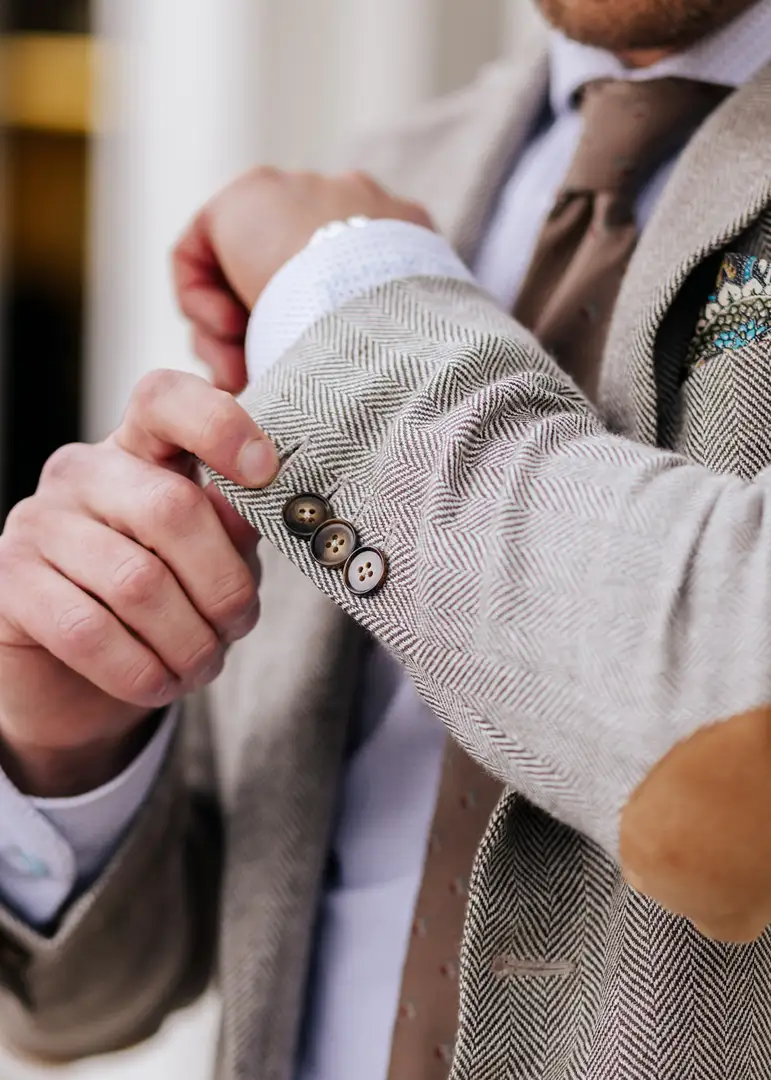
Don't forget the buttons! For a custom tuxedo, we recommend:
- Corozo: Made from the nut of a palm tree, these are incredibly durable and take dye beautifully.
- Bone or Shell: These provide a natural, high-end finish that plastic buttons simply cannot replicate.
If you have more questions about these specific details, check out our frequently asked questions.
Care and Maintenance for Different Fabrics
A custom tuxedo is an investment, and proper care will ensure it lasts a lifetime.
- Steaming vs. Ironing: Never iron your tuxedo directly. The high heat can "scorch" the natural fibers, especially wool, creating a permanent shiny patch. Use a high-quality steamer to remove wrinkles.
- Dry Cleaning: Only dry clean when absolutely necessary. The harsh chemicals can strip the natural oils from the wool. Often, a simple "press and refresh" is all you need.
- Storage: Always hang your tuxedo on a wide, contoured hanger to maintain the shoulder shape. Use a breathable garment bag—never plastic, which traps moisture and can lead to mildew.
- Pilling: If you notice small fuzz balls (pilling) in high-friction areas like under the arms, use a fabric comb to gently remove them.
Frequently Asked Questions about Tuxedo Fabrics
What is the best fabric for a summer wedding tuxedo?
For a summer wedding, especially in our Florida locations like Delray Beach or Naples, we recommend a tropical wool or a wool-silk blend in a 7-8 oz weight. These fabrics have a more open weave that allows air to flow through the garment, keeping you cool while maintaining the formal structure required for a tuxedo.
How do Super Numbers affect tuxedo quality?
Super numbers (Super 100s, 120s, 150s, etc.) refer to the fineness of the wool fiber. A higher number means the fiber is thinner, resulting in a fabric that is softer, lighter, and has a more elegant drape. For most men, Super 120s to Super 130s provide the perfect balance of luxury and durability.
Are synthetic fabrics acceptable for custom tuxedos?
While some modern performance blends offer stretch, we generally advise against high percentages of synthetics like polyester. They don't breathe well, they have a "cheap" artificial shine under camera flashes, and they don't mold to your body over time like natural fibers do. At Tweeds, we prioritize natural luxury.
Conclusion
At Tweeds Custom Suits, we believe that the journey to the perfect tuxedo starts with a single swatch. As a family-owned business with showrooms across the Southeast—from Charlotte to Miami—we pride ourselves on providing a personalized experience that off-the-rack stores simply can't match.
With over 2,500 fabric choices and a perfect fit guarantee, we are here to ensure that your custom tuxedo fabric selection results in a garment that makes you feel like the best version of yourself. Whether you're preparing for a gala in Atlanta or a beach wedding in Sarasota, our expert clothiers are ready to guide you.
Start your custom tuxedo journey by viewing our pricing and discover the difference that true bespoke craftsmanship can make.