A Comprehensive Guide to 3 Piece Suits
What Are the Essential Components and History of a Three-Piece Suit?
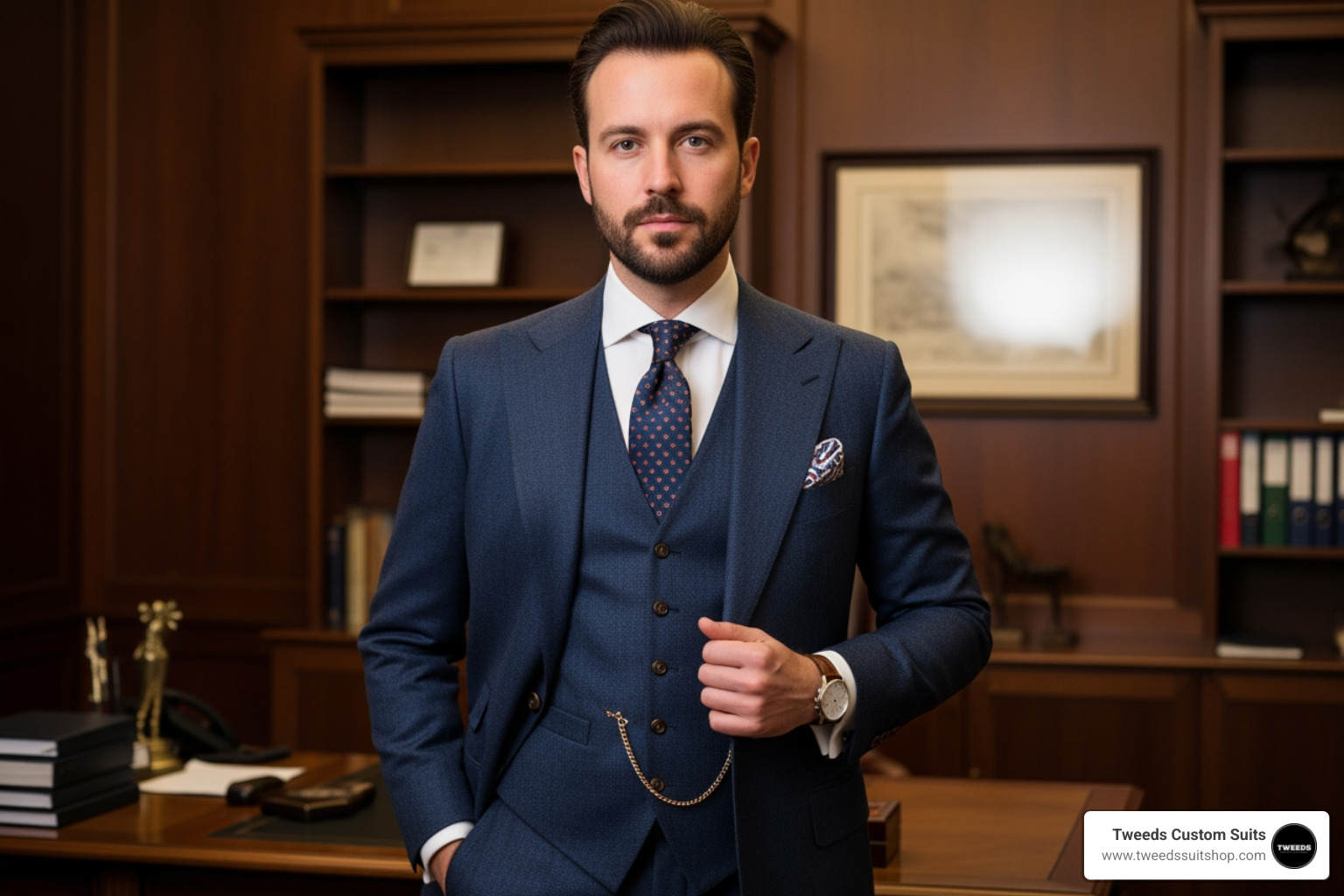
The three-piece suit is a masterclass in sartorial construction, a harmonious blend of three distinct garments designed to create a cohesive and commanding look. Understanding each component not only helps in appreciating its elegance but also in selecting the perfect ensemble.
Understanding Each Component of the Three-Piece Suit
At its heart, a three-piece suit consists of a jacket, a waistcoat (or vest), and trousers, all crafted from the same fabric to ensure a unified appearance.
-
The Jacket: This is the outermost layer, providing structure and formality. For a three-piece suit, a single-breasted jacket is often preferred as it allows the waistcoat to be more prominently displayed, creating a cleaner, more streamlined silhouette. While double-breasted jackets are undeniably stylish, they tend to obscure the waistcoat, diminishing the unique appeal of the three-piece ensemble.
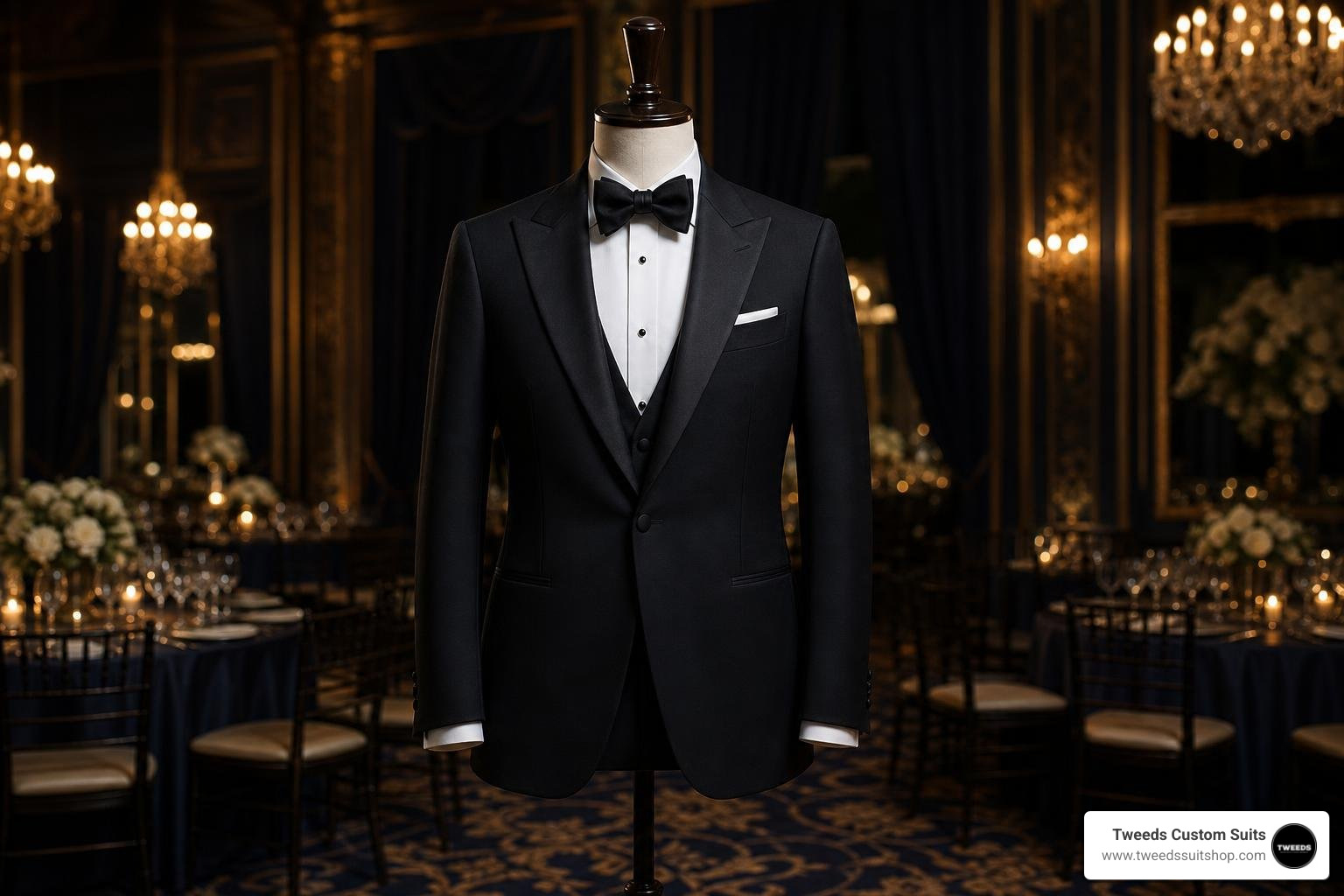
- Lapel Styles: Lapels are a key indicator of formality and style. Notch lapels are the most common and versatile, suitable for everyday business and semi-formal events. Peak lapels are more formal, often seen on tuxedos and highly formal suits, adding a touch of grandeur. Shawl lapels are reserved exclusively for tuxedos, offering a smooth, rounded elegance.
- Jacket Vents: These are the slits at the back of the jacket. A single vent (a slit up the center) is traditional. Double vents (slits on either side) offer a more contemporary look and allow for easier access to trouser pockets without creasing the jacket.
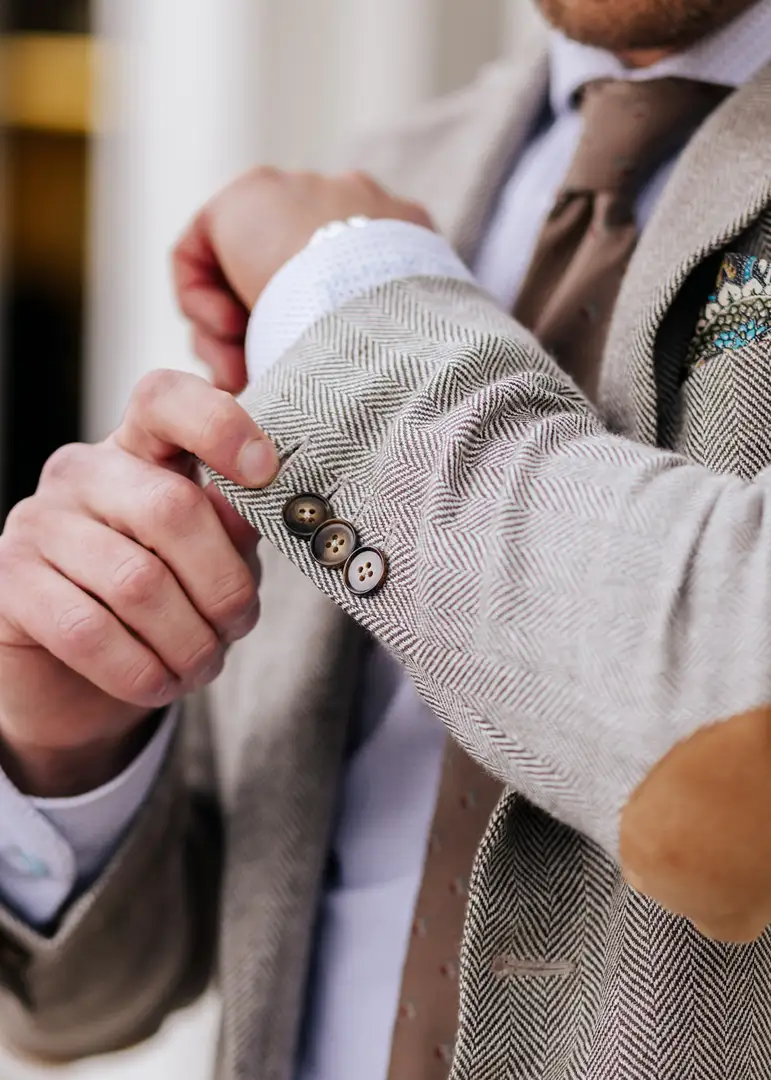
- Construction: The internal construction of the jacket significantly impacts its drape and longevity. High-quality suits often feature half-canvas construction , where the canvas extends through the chest and lapels, allowing the fabric to mold to your body over time and ensuring a natural, formed breast. For the ultimate in luxury and durability, full-canvas construction extends throughout the entire front of the jacket, offering superior drape and breathability. Functional sleeve buttons, often referred to as "surgeon's cuffs," are a subtle hallmark of bespoke tailoring, allowing the sleeves to be unbuttoned and rolled back.
-
The Waistcoat (Vest): This is the defining element of the three-piece suit, worn over your dress shirt and under the jacket. It provides an additional layer of warmth, formality, and a continuous line that visually elongates the torso.
- Waistcoat Styles: Like jackets, waistcoats can be single-breasted or double-breasted . Single-breasted waistcoats are more common and versatile. Some waistcoats feature lapels , adding a touch of vintage flair, while lapel-less versions offer a sleeker, more modern aesthetic.
- Fit and Function: A well-fitted waistcoat should hug the torso without being too tight, covering the waistband of your trousers completely, with no shirt visible between the two. Most waistcoats include an adjustable back buckle , allowing for minor fit adjustments.
- The Bottom Button Rule: A classic sartorial tradition dictates that the bottom button of a single-breasted waistcoat should always be left undone . This practice is said to have originated with King Edward VII, who, after gaining weight, unbuttoned his waistcoat for comfort, and his subjects followed suit as a sign of respect. This tradition also allows for greater comfort when seated and a more natural drape of the garment.
-
The Trousers: The foundation of the suit, providing balance and completing the ensemble.
- Trouser Features: Modern suit trousers typically feature a flat front for a clean, contemporary look. Pleats offer a more traditional style and provide extra room and comfort. Cuffs (or turn-ups) add weight to the bottom of the trousers, helping them to drape better. The rise refers to the distance from the waistband to the crotch; a higher rise can create a more classic, elongated silhouette. A split-back waistband (or v-split) is a sign of quality tailoring, allowing for easy alterations and greater flexibility when sitting. Trousers usually come unhemmed , allowing for precise tailoring to your preferred length and break.
The Enduring Legacy: A Brief History of the Three-Piece Suit
The story of the three-piece suit is deeply intertwined with the evolution of men's fashion and societal norms. Its origin dates back to October 7, 1666 , when King Charles II of England introduced it as a deliberate political statement. He aimed to establish a distinct English sartorial identity, moving away from the flamboyant and elaborate styles prevalent in the French court. This new attire, consisting of a long coat, a waistcoat, and breeches, was intended to be more sober, practical, and quintessentially English.
Over the centuries, the three-piece suit evolved, adapting to changing tastes and practical needs. During the Regency and Victorian eras , it solidified its status as the quintessential formal wear for gentlemen, becoming synonymous with sophistication and respectability. The waistcoat, in particular, served as a canvas for intricate embroidery and elaborate patterns, reflecting the wearer's status and personality.
However, the 20th century brought significant shifts. Material scarcity during the World Wars, coupled with a growing demand for cheaper, mass-produced clothing, led to a gradual decline in the three-piece suit's popularity. The increasing casualization of workplaces and social events further pushed it into the realm of special occasion wear. While it saw brief revivals, such as during the disco era of the 1970s, its widespread everyday use diminished.
Today, in May 2026, we are witnessing a strong resurgence of the three-piece suit. It has reclaimed its position as a symbol of refined style, favored by those who appreciate its inherent elegance and the statement it makes. This enduring legacy highlights its timeless appeal and its ability to adapt while maintaining its core identity. The three-piece suit was, and remains, a powerful declaration of sartorial intent.
How Do Three-Piece Suits Offer Unmatched Versatility and Style?
The appeal of the three-piece suit extends far beyond its historical roots; it lies in its inherent versatility and the distinct style advantages it offers the modern wearer.
The Distinct Advantages of Choosing a Three-Piece Suit
Opting for a three-piece suit is a choice that comes with numerous benefits, setting it apart from its two-piece counterpart and other formal wear options.
- Exuding Confidence and Sophistication: There's an undeniable aura of confidence and sophistication that accompanies a well-fitted three-piece suit. The additional layer of the waistcoat creates a polished, complete look that commands attention and respect. It signals an attention to detail and an appreciation for classic style that is often unmatched.
- Enhanced Formality: A three-piece suit is inherently more formal than a two-piece suit, making it an excellent choice for occasions that demand a higher level of dress. While it's less formal than a tuxedo, it occupies a unique space that elevates your presence without being overly rigid. This added formality is a key reason why the three-piece suit market is projected to grow at a CAGR of 6.8% from 2023 to 2030 , reflecting a rising demand for formal and semi-formal menswear.
- Providing a Seamless, Layered Look: The waistcoat serves a crucial function in creating a seamless transition between your shirt and jacket. It ensures that no shirt fabric is exposed between your trousers and jacket when you move, sit, or even remove your jacket, maintaining a consistently sharp appearance. This layered effect also adds depth and visual interest to your ensemble.
- Distinctiveness in a World of Casual Wear: In an era where casual attire often dominates, wearing a three-piece suit makes a distinctive statement. It sets you apart, showcasing a commitment to dressing well and a personal style that values classic elegance. This distinctiveness is part of its growing appeal, as evidenced by the fact that over 310,000 customers have purchased custom three-piece suits , highlighting a strong global demand for tailored formal wear.
- Appropriateness for Professional and Formal Settings: Whether it's a critical business meeting, a formal wedding, or a gala event, the three-piece suit is an impeccably appropriate choice. It conveys seriousness and respect, making it ideal for situations where making a strong, positive impression is paramount.
Styling Your Three-Piece Suit for Every Occasion
One of the greatest strengths of the three-piece suit is its adaptability. It can be styled to suit a wide range of events, from the most formal to smart-casual gatherings.
- Formal Occasions:
For events like weddings, significant business meetings, galas, and black-tie events
(where a tuxedo isn't strictly required), the full three-piece suit is your go-to.
- Styling for Formal Events: We recommend pairing your suit with a crisp white or light blue dress shirt, a sleek tie (silk or a subtle pattern), and highly polished dress shoes (oxfords or derbies). A complementary pocket square can add a touch of personality and complete the look. For more insights on wedding attire, explore our guide: Everything You Need to Know About Wearing a Three-Piece Suit to Your Wedding. The popularity of specific styles, such as peak lapel slim-fit models, with over 10,000 three-piece suits sold by various retailers, underscores the demand for refined options for these events.
- Semi-Formal and Casual Looks:
The beauty of the three-piece suit lies in its ability to be deconstructed for less formal settings.
- Wearing the Vest Without the Jacket: For a relaxed yet polished appearance, you can remove the jacket and wear just the waistcoat and trousers. This is perfect for warmer indoor events, or when you want to maintain a smart look without the full formality of the jacket. It's a fantastic option for business casual environments or social gatherings where you want to stand out.
- Experimenting with Different Shirt Colors and Ties: While white and light blue shirts are classic, you can introduce subtle patterns or richer colors to your shirt choice for a semi-formal look. You might even opt for a knitted tie or a tie with a more textured fabric.
- Real-World Use Cases: Imagine attending a wedding and then removing your jacket for dancing, still looking impeccably dressed in your waistcoat. Or, in a slightly overheated office environment, the waistcoat provides a professional middle ground between a full jacket and just a shirt. For a smart-casual ensemble, a tweed waistcoat can be paired with chinos or dark wash jeans and dress boots, offering a sophisticated yet relaxed vibe. This versatility answers the common question: "Can I wear a three-piece suit for casual events?" Absolutely! By removing the jacket or vest, you can effortlessly dress it down.
- When to Wear and When to Avoid: A three-piece suit is appropriate for most formal events, business settings, and occasions where a polished impression is desired. However, for extremely casual events like a barbecue or a beach outing, it would be overkill. Similarly, while a three-piece suit is a fantastic alternative to a tuxedo, it's generally not appropriate for strict white-tie events.
How Do You Select the Perfect Fabric, Style, and Fit for Your Three-Piece Suit?
Choosing a three-piece suit is an investment in your personal style, and making the right selections in fabric, style, and fit is crucial to maximizing its impact and longevity.
Choosing the Right Fabrics and Styles for Your Needs
The material and cut of your suit dictate its comfort, drape, and suitability for various occasions and seasons.
- Common Fabrics:
- Wool: The king of suit fabrics, offering excellent drape, breathability, and wrinkle resistance. Wool comes in various grades, from Super 100s to Super 150s) and beyond, with higher numbers indicating finer, lighter, and often more delicate wool. It's incredibly versatile and suitable for most climates.
- Cotton: A lighter, more breathable option, ideal for warmer weather. Cotton suits have a more casual look than wool and tend to wrinkle more easily.
- Linen: The ultimate summer fabric, known for its extreme breathability and distinct textured look. Linen suits embrace wrinkles as part of their charm, offering a relaxed elegance.
- Polyester Blends: Often used to add durability, wrinkle resistance, and a more affordable price point. While practical, they may lack the natural breathability and luxurious feel of pure natural fibers.
- Tweed: A thick, textured wool fabric, perfect for a vintage aesthetic and cooler weather. Tweed three-piece suits, particularly herringbone patterns, are highly sought after, with many models receiving high customer reviews, reflecting a strong interest in vintage and textured styles.
- Seasonal Considerations:
- For summer , we recommend lightweight materials like linen or cotton to ensure comfort and breathability in the Florida heat.
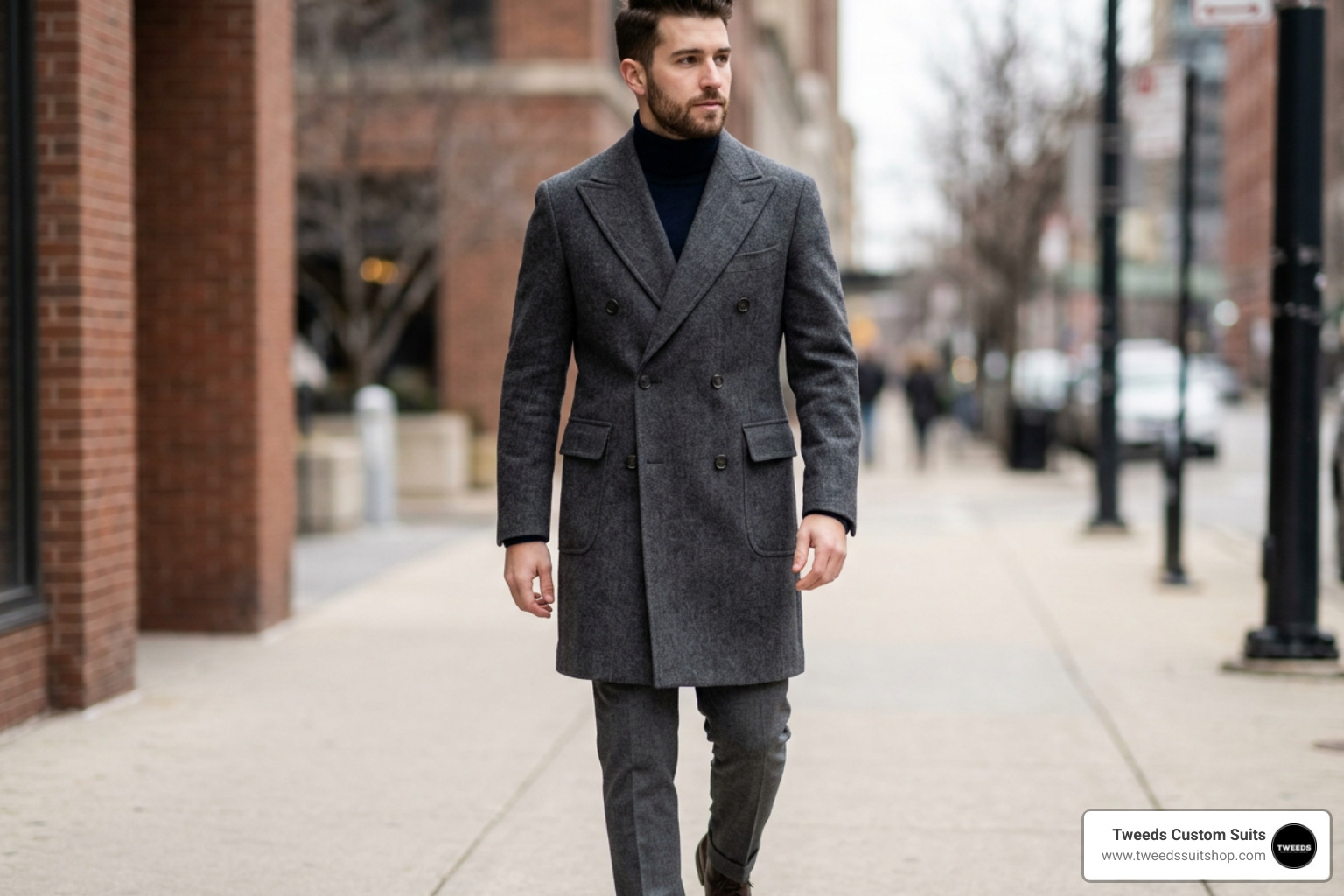
- For winter or cooler climates, heavier fabrics like wool or tweed provide warmth and a richer texture.
- For year-round versatility, a mid-weight wool is often the best choice. For a deeper dive into fabric selection, consult our guide: The Ultimate Guide to Choosing the Perfect Fabric for Your Custom Suit.
- Popular Styles:
- Slim Fit: Characterized by a tapered silhouette through the chest, waist, and leg. This modern style is popular for its sharp, streamlined appearance. Market trends show that slim-fit variants are highly popular , indicating a preference for contemporary silhouettes.
- Tailored Fit: A balanced option that offers a modern cut without being overly restrictive. It's slightly more forgiving than a slim fit but still maintains a sharp profile.
- Regular Fit: A classic, more generous cut that provides maximum comfort and ease of movement.
- Popular Colors and Patterns:
- Navy and Grey: These are the most versatile and popular choices for three-piece suits, suitable for almost any occasion. Navy exudes confidence, while grey offers sophisticated neutrality.
- Black: Primarily reserved for very formal events or evening wear.
- Brown and Ecru: Excellent choices for a more relaxed, yet still refined, aesthetic, particularly in tweed or linen.
- Pinstripe and Herringbone: Classic patterns that add texture and visual interest. A 100% wool pinstripe suit offers a strong value perception in premium options, while herringbone tweed models consistently receive high customer engagement and reviews for their quality and fit.
Achieving the Perfect Fit: Why Customization Matters
The difference between a good suit and a truly exceptional one lies almost entirely in its fit. A perfectly tailored suit not only looks better but also feels more comfortable and enhances your posture.
- Importance of a Well-Fitting Suit: A suit that fits impeccably will drape smoothly over your body, accentuate your best features, and move with you effortlessly. Conversely, a poorly fitting suit can look sloppy, uncomfortable, and detract from your overall appearance.
- How a Three-Piece Suit Should Fit:
- Jacket: Should fit snugly across the shoulders, with the lapels lying flat against your chest. The sleeves should end at your wrist bone, allowing about half an inch of shirt cuff to show. The jacket length should cover your seat.
- Vest/Waistcoat: Must fit close to the body without pulling or gaping. It should cover your shirt and trouser waistband completely. The armholes should be high, allowing for ease of movement without bunching.
- Trousers: Should fit comfortably at the waist without needing a belt. The leg width should be proportionate to your body type, and the length should have a slight "break" over your shoes, or no break at all for a very modern look.
- Measurement Process: Achieving this ideal fit requires precise measurements. We take into account your chest, waist, hips, inseam, sleeve length, shoulder width, and neck circumference. This detailed approach ensures every aspect of the suit is tailored to your unique physique.
- Actionable Steps for Choosing the Right Size: When selecting a suit, always focus on the fit of the jacket and trousers first . The waistcoat will then naturally complement the overall look. If you find yourself between sizes, we often recommend considering sizing up for comfort, as a suit can always be taken in, but letting it out is more challenging. For comprehensive guidance, refer to our detailed article: How a Suit Should Actually Fit.
- The Role of Custom Tailoring:
This is where Tweeds Custom Suits truly excels. We believe that an impeccable fit is not just a luxury but a standard. Our personalized craftsmanship
, as a family-owned business with showrooms across Florida (including Alpharetta GA, Chamblee GA, Charlotte NC, Delray Beach FL, Fort Lauderdale FL, Franklin TN, Jacksonville FL, Miami FL, Naples FL, New Orleans LA, Orlando FL, Palm Beach Gardens FL, Rye NY, Sarasota FL, St. Petersburg FL, and Tampa FL), is dedicated to achieving this. We offer a perfect fit guarantee
, ensuring that every suit we craft is made specifically for your body.
- Customization Options: Beyond fit, we offer extensive customization. You can select from a vast array of fabrics , personalize the style , choose color contrasts for linings or details, pick your preferred buttons , lapels , pockets , vents , and lining . We even offer high-end CUPRA lining for luxurious feel and breathability. Our commitment to quality extends to functional details like functional sleeve buttons (surgeon's cuffs) , a hallmark of superior tailoring, and the choice of full-canvas construction for unparalleled drape and longevity. This level of detail ensures your three-piece suit is not just a garment, but a true extension of your personal style.
| Fit Type | Characteristics | Ideal Body Types | Modern Appeal |
|---|---|---|---|
| Slim Fit | Tapered through chest, waist, and legs; narrow lapels; shorter jacket length | Leaner, athletic builds | Contemporary, sharp, fashion-forward |
| Tailored Fit | Slightly more relaxed than slim, but still contoured; balanced proportions | Most body types; offers a modern look without being too tight | Versatile, modern classic, comfortable yet stylish |
| Regular Fit | Classic, generous cut; ample room in chest, waist, and legs; traditional lapels | Larger builds, those preferring comfort and ease of movement | Timeless, traditional, professional, enduring elegance |
What Are the Best Practices for Caring for Your Three-Piece Suit?
Investing in a quality three-piece suit means also committing to its proper care. With the right maintenance, your suit will retain its pristine appearance and serve you well for many years, making it a truly long-lasting wardrobe staple.
Essential Care and Maintenance Tips for Longevity
Proper care for your three-piece suit is straightforward but crucial. Following these tips will protect your investment and ensure you always look your best.
- Dry Cleaning: This is the primary method for cleaning your suit. We recommend regular dry cleaning to maintain fabric integrity and color , but only when necessary. Over-cleaning can be harsh on the fabric. Typically, a suit only needs dry cleaning a few times a year, or after significant wear or spills. Spot cleaning minor marks with a damp cloth can often suffice between professional cleanings.
- Storage: How you store your suit is paramount to preserving its shape. Always hang your three-piece suit on a sturdy, wide-shouldered hanger (preferably cedar wood, which also deters moths) immediately after wearing. This allows the fabric to relax and helps prevent creases. Never use thin wire hangers, as they can distort the suit's shoulders.
- Steaming: To remove wrinkles and refresh the fabric between wears, steaming is highly effective . A good quality garment steamer will gently relax fibers, eliminating creases without the harshness of ironing, which can flatten the fabric and create a sheen. If you don't have a steamer, hanging your suit in a steamy bathroom for 15-20 minutes can also work wonders.
- Travel: When traveling, especially for extended periods, always use a breathable garment bag for protection. This prevents wrinkles and shields the suit from dust and potential damage. While folding a suit is sometimes necessary for short trips, for longer journeys, a garment bag is always the preferred method to prevent deep creases and maintain the suit's structure.
Here are some actionable steps to integrate into your routine:
- Dry clean regularly but judiciously, only when the suit truly needs it.
- Store on a sturdy hanger to preserve the suit's natural shape and prevent shoulder deformation.
- Steam to remove wrinkles and refresh the fabric after each wear, allowing it to air out before putting it back in the closet.
- Use a garment bag for protection when storing your suit for extended periods or during travel.
By following these essential care and maintenance tips, you are not just cleaning your suit; you are actively extending the life and appearance of your investment, ensuring it remains a sharp and sophisticated part of your wardrobe for years to come.
Frequently Asked Questions About Three-Piece Suits?
We often receive questions about the versatility and practicalities of wearing a three-piece suit. Here are some of the most common inquiries, answered to help you master this classic ensemble.
Can I wear a three-piece suit for casual events?
Absolutely! The versatility of a three-piece suit allows you to dress it down for more relaxed occasions by removing the jacket or vest, creating a smart casual look. For instance, wearing the waistcoat and trousers with a stylish open-collar shirt can be perfect for a sophisticated evening out that doesn't require full formality. You can even pair a tweed waistcoat with smart chinos or dark jeans for a distinctive, elevated casual style.
How do I choose the right size for a three-piece suit?
The key to a great-looking three-piece suit is the fit. We always recommend focusing on the fit of the jacket and trousers first. A well-fitting jacket ensures the vest and trousers will complement the overall look, creating a cohesive silhouette. The waistcoat should fit snugly but comfortably, covering your shirt and trouser waistband. For the best fit, especially with the intricate layering of a three-piece suit, consider custom tailoring to your exact measurements. This ensures every component is perfectly proportioned to your body.
Is a three-piece suit suitable for different seasons?
Yes, three-piece suits are highly adaptable to different seasons, largely depending on the fabric choice. For warmer months, such as the humid summers we experience in many of our Florida locations, we recommend lightweight materials like linen, cotton, or a breathable, light-weave wool. For winter or cooler climates, heavier fabrics like a substantial wool or tweed will provide warmth and a richer texture. The layered nature of the three-piece suit also offers flexibility; you can wear the full ensemble in cooler weather, or remove the jacket in warmer indoor settings while maintaining a polished look with the waistcoat.
Conclusion
The three-piece suit, with its rich history and enduring appeal, remains a powerful statement of style and sophistication in May 2026. From its essential components to its versatile styling options for any occasion, understanding this classic ensemble empowers you to elevate your wardrobe. By selecting the right fabrics, ensuring a perfect fit, and committing to proper care, your three-piece suit will serve as a cornerstone of your personal style for years to come.
Ready to experience the unparalleled elegance and versatility of a custom three-piece suit? Discover how Tweeds Custom Suits, a family-owned business with showrooms across Florida, Georgia, North Carolina, Tennessee, New York, and Louisiana, can craft a perfectly fitted, personalized ensemble for you. With our commitment to personalized craftsmanship and a perfect fit guarantee, your ideal three-piece suit awaits.